Paint & Refinishing · Guide
Car painting explained: what happens before your car enters the paint booth?
Great paint starts well before the paint booth. Here is how preparation, colour matching and curing shape the final finish.
Published 4 min read
SHORT ANSWER
Before a car enters the paint booth, the panel is repaired, sanded, primed and masked, and the paint is mixed to match the car's existing colour. Skipping or rushing these steps is a common cause of a poor finish.
In this article · 14 sections
Most people picture a car painting job as someone spraying paint. In reality, the quality of the finish depends heavily on what happens before and after the spray gun is used. This guide explains each stage in plain language.
Why does preparation matter so much?
Paint shows every flaw underneath it. A tiny scratch, ripple or sanding mark can be visible through the final coat. Paint also needs a properly prepared surface to bond to, and poor preparation is a common reason for peeling, bubbling or visible repair marks.
Denting and panel preparation
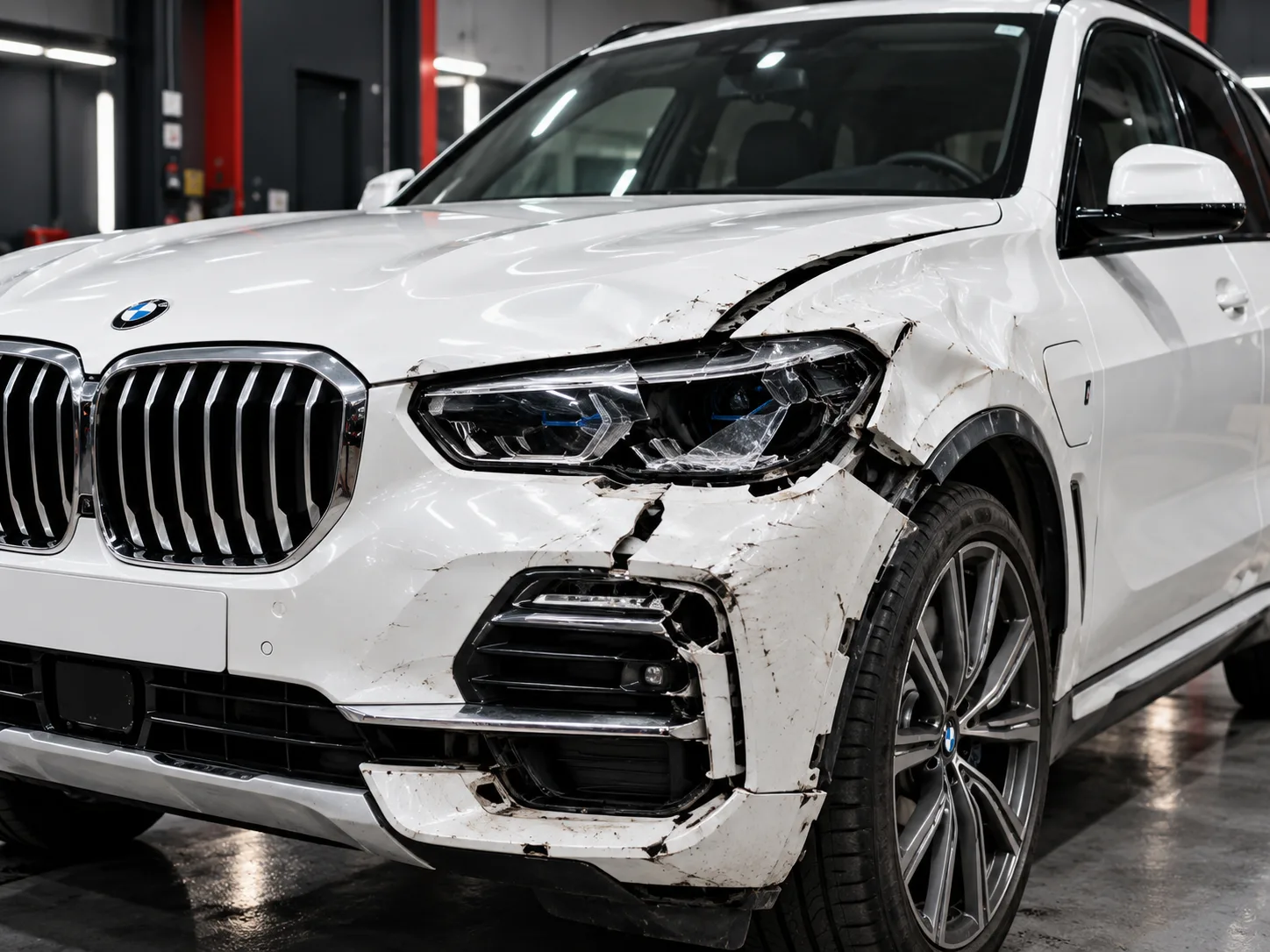
Dents are worked out so the surface is as close as possible to its original shape. Thin layers of body filler may be used sparingly to smooth minor imperfections. The panel is then cleaned and degreased so oils or wax do not interfere with the paint.
Sanding
Sanding removes damaged paint and creates a surface the next layer can grip. Different grits are used in stages, from coarser to finer. Rushing or skipping a stage can leave scratches that show through later.
Primer
Primer helps the paint adhere and creates a smooth base. It is often sanded again for a fine, even surface. Where bare metal is exposed, a suitable primer helps protect it.
Masking
Areas that should not be painted, such as glass, trims, lights and neighbouring panels, are covered or removed. Careful masking helps avoid overspray and hard paint edges.
How does colour matching work?
The paint code on your car is a starting point, not the full answer.
Why a paint code alone is not enough
- Car paint fades and changes slightly with sun exposure and age.
- Colours can vary slightly between production batches.
- Metallic and pearl paints change appearance with spray technique and viewing angle.
- Neighbouring panels may already differ slightly in shade.
Painters often mix the colour, test it on a spray-out card and compare it with the car. In many cases the paint is blended into the neighbouring panel so the transition is not visible.
The paint booth
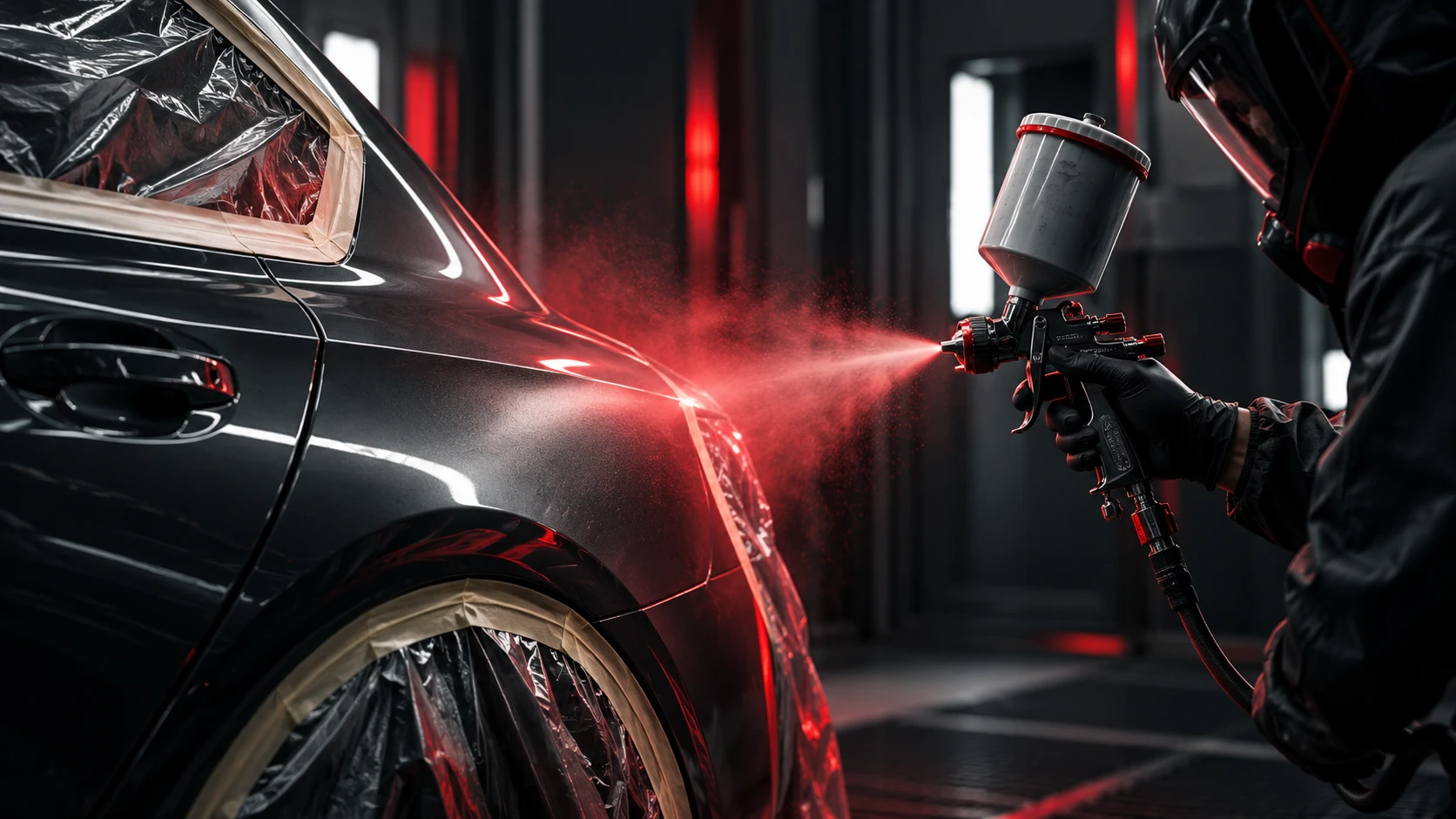
A paint booth is a controlled enclosure with filtered airflow and lighting. It reduces dust landing on wet paint and helps even application. It does not decide quality by itself: technique and preparation still determine the result.
Basecoat and clearcoat
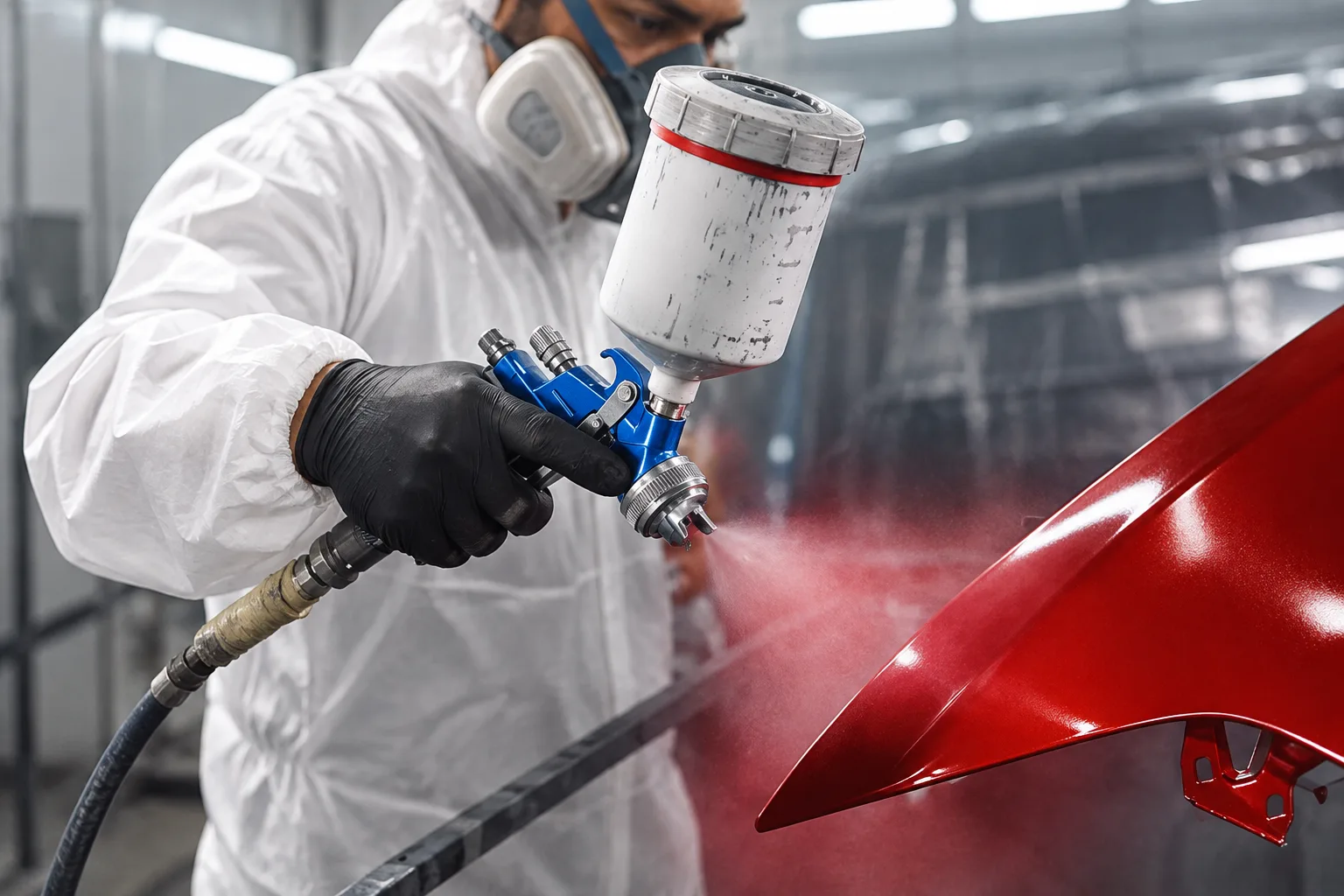
Most modern cars use a basecoat, the colour layer, followed by a clearcoat, a transparent protective layer that gives gloss. Several thin coats are normally applied, with time between coats so solvents can escape.
Drying and curing
Paint can feel dry to the touch quite quickly but takes longer to fully harden. Controlled heat is often used to help this. Handling or polishing too early can mark the surface.
Paint inspection
After curing, the finish is checked under good light for dust specks, runs, texture variation and colour match.
Polishing after painting
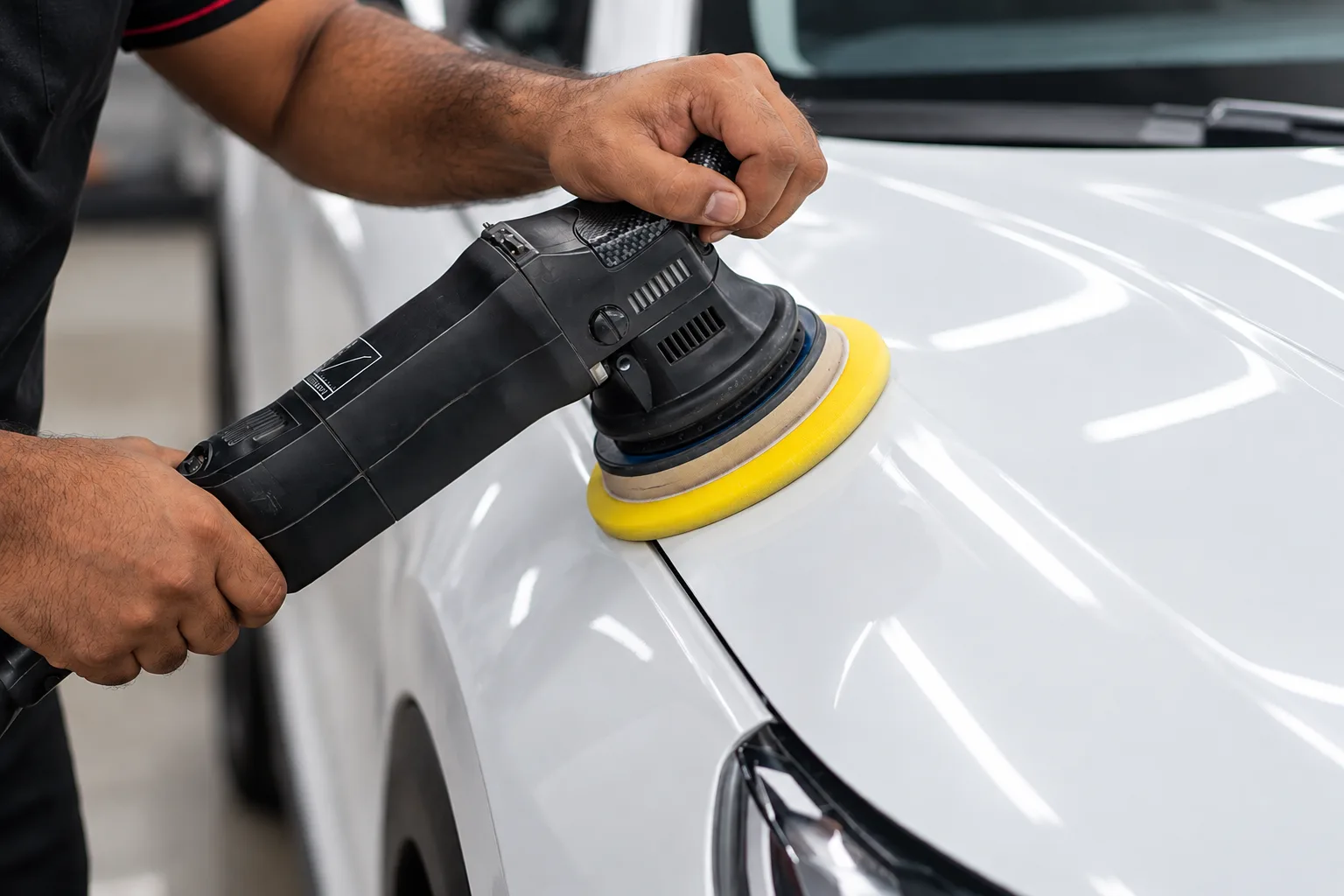
Small imperfections are often polished out to give an even finish. Polishing removes only a thin amount of clearcoat, so it is done carefully.
What causes colour mismatch or finish problems?
- Colour not blended into neighbouring panels
- An incorrect or untested mix
- Poor lighting while matching the colour
- Insufficient surface preparation
- Contamination such as dust, oil or silicone
- Rushed curing or early handling
- Differences in application technique between panels
What to ask your painter
- Will the neighbouring panels be blended?
- Was the colour tested on a spray-out card?
- When is it safe to wash or wax the car?
Questions owners ask
Usually not by itself. Fading, batch variation and application technique all affect how the final colour looks.
Basecoat provides the colour. Clearcoat is the transparent top layer that protects the colour and gives gloss.
Preparation, drying, curing and inspection each need their own time, and rushing any of them can affect the finish.
It can, if the surface was poorly prepared or contaminated, among other causes.
Follow your workshop's advice, because curing depends on the materials and process used.

Written by the Autvel Body Works team
Published 2 Oct 2026, Guindy, Chennai